Source Eco Material Diatomaceous Earth for filtration, agriculture, and industrial use
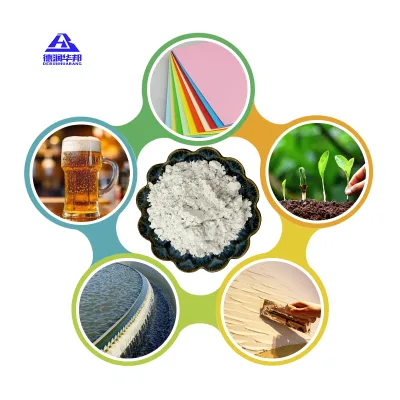
Find and compare 30 listings for Eco Material Diatomaceous Earth sourced from China. Evaluate options based on mesh size, density, and packaging to find the right grade for filtration, agriculture, or industrial applications.
Key considerations
Products List




Comprehensive Sourcing Guide
Eco Material Diatomaceous Earth Sourcing Guide
Diatomaceous earth (DE) is a naturally occurring, soft sedimentary rock composed of the fossilized remains of diatoms, a type of hard-shelled algae. In the context of eco-friendly procurement, this material is valued for its physical and chemical properties rather than synthetic additives. It is primarily composed of silica (SiO2), which gives it high porosity and adsorption capabilities. When sourcing this material, buyers must distinguish between calcined and non-calcined grades, as the processing method significantly alters its physical structure, chemical stability, and suitability for specific industrial or agricultural applications. The term "eco material" often refers to the natural origin of the product and its use in sustainable processes, such as filtration, soil amendment, or natural pest control, rather than a specific certification status.
The global supply chain for diatomaceous earth is concentrated in regions with significant geological deposits, with China being a major producer. Sourcing from this region offers access to a wide variety of mesh sizes, densities, and purity levels. Buyers should be aware that while the raw material is natural, the final product specifications can vary widely between suppliers. Understanding the difference between food-grade, industrial-grade, and agricultural-grade DE is critical before initiating procurement. Food-grade DE requires strict control over crystalline silica content to ensure safety, while industrial grades may prioritize filtration speed or adsorption capacity. This guide provides a framework for evaluating suppliers and products based on observable listing signals and technical requirements.
Product Scope and Observed Listing Signals
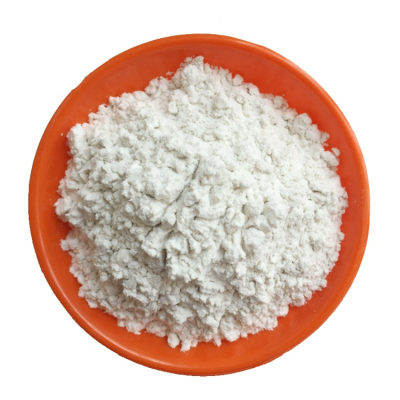
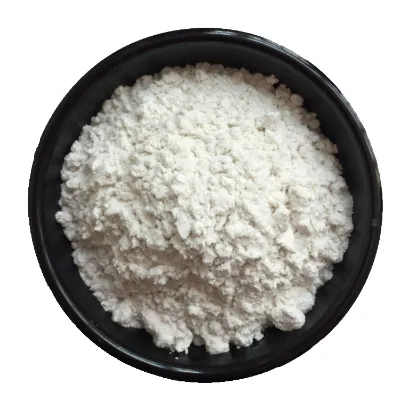
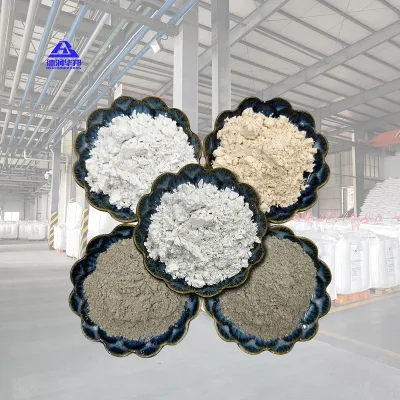
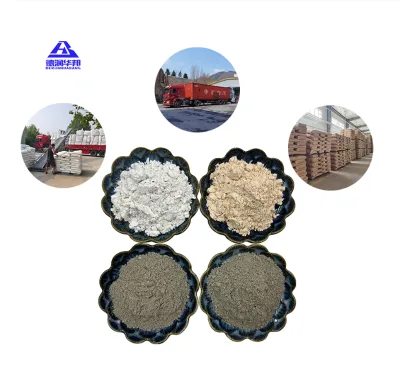
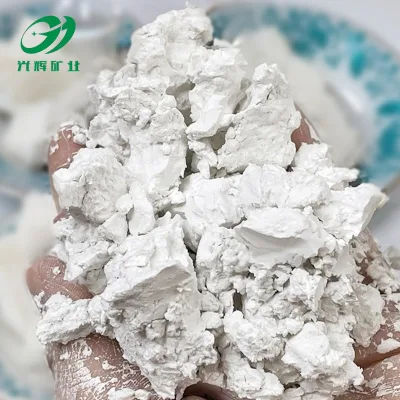
Market listings for diatomaceous earth reveal a diverse range of product forms, including powders, granules, and specific mesh sizes. Observed data indicates that products are available in various particle sizes, such as 325 mesh for fine powders and granular forms ranging from 1-3mm to 15-30mm. The physical appearance of the product is a key identifier, with listings showing colors ranging from white to light yellow. These visual cues often correlate with the purity level and the degree of calcination. For instance, white powders are typically associated with higher purity food-grade applications, while yellowish tones may indicate the presence of trace minerals or a different processing stage. Buyers should verify the exact form required for their application, as fine powders are ideal for filtration and mixing, whereas granules are better suited for growing media or filtration beds.
Commercial signals in listings also highlight customization options and packaging standards. Many suppliers offer customized logos and packaging, with common bag sizes including 20kg, 25kg, and 10-25kg bags. The minimum order quantity (MOQ) varies significantly, ranging from small trial orders of 1kg to bulk industrial orders of 1 MT or 500 bags. This flexibility allows buyers to test samples before committing to large volumes. Additionally, the presence of specific model numbers, such as DE-20, BD, or RHB-1110MA, suggests that suppliers have standardized product lines. Buyers should use these identifiers to request consistent quality across repeat orders. The availability of samples is a positive indicator of supplier confidence, allowing for preliminary testing of properties like relaxed density and acid solubility.
Technical Specifications to Verify
Technical verification of diatomaceous earth begins with particle size distribution and density measurements. The mesh size is a critical parameter, with 325 mesh being a common standard for fine applications. Buyers must confirm whether the product is supplied as a powder or granules, as this affects handling and application methods. Density is another vital specification, with observed ranges for relaxed density between 0.1-0.2 and flake solid density between 0.38-0.43. These values influence the volume required for storage and the efficiency of the product in applications like filtration or soil aeration. The Darcy value, observed in the range of 0.08-0.2, indicates permeability, which is essential for filtration media. Buyers should request test reports for these physical properties to ensure they match their process requirements.
Chemical composition and purity are equally important for determining the grade and safety of the diatomaceous earth. The primary component is silica (SiO2), but the presence of other elements can affect performance. Acid solubility is a key indicator of purity, with observed values around 3.0%, suggesting a high silica content. Moisture content is also a critical factor, with observed levels as low as 0.4%, which is important for preventing clumping and ensuring stability during storage. The pH level, typically ranging from 5.5 to 7.5, indicates the chemical neutrality of the product, making it suitable for a wide range of applications, including food and agriculture. Buyers should verify the CAS number (61790-53-2) and other identifiers to ensure the product is genuine diatomaceous earth and not a substitute material.
Compliance and Safety Documentation
Safety documentation is paramount when sourcing diatomaceous earth, especially for food-grade or agricultural applications. The distinction between crystalline and amorphous silica is crucial for health and safety compliance. Food-grade DE must have low levels of crystalline silica to meet regulatory standards for human consumption. Buyers should request certificates of analysis (COA) that specify the crystalline silica content. While some listings mention eco-friendly features, buyers should not assume that terms like "eco-friendly" or "natural" imply specific safety certifications without documented proof. It is essential to verify that the product meets the relevant safety standards for its intended use, whether it is for drinking water filtration, animal feed, or organic farming.
Regulatory compliance also involves checking for appropriate labeling and handling instructions. The product should be clearly labeled with its composition, including the CAS number and any relevant hazard warnings. Buyers should ensure that the supplier provides Material Safety Data Sheets (MSDS) or Safety Data Sheets (SDS) that comply with international standards. These documents provide critical information on storage, handling, and emergency procedures. While some background information mentions certifications like GOTS or OEKO-TEX, these are typically associated with textiles and may not be directly applicable to mineral products. Buyers should focus on industry-specific certifications and regulatory approvals relevant to their sector, such as FDA approval for food-grade applications or EPA registration for agricultural uses.
Cost Drivers and Commercial Terms
The cost of diatomaceous earth is influenced by several factors, including purity, particle size, and processing method. Calcined DE, which undergoes high-temperature treatment, is generally more expensive than non-calcined DE due to the additional processing steps. The mesh size also affects pricing, with finer meshes requiring more extensive grinding and classification. Buyers should consider the total cost of ownership, including shipping, handling, and storage, rather than just the unit price. Observed price ranges vary widely, reflecting the diversity of product grades and quantities. Bulk purchases typically offer better unit prices, but buyers must balance this with storage capacity and inventory turnover rates.
Commercial terms such as payment methods and delivery times are also important considerations. Common payment terms include T/T (Telegraphic Transfer) and L/C (Letter of Credit), which provide security for both buyers and suppliers. Delivery times can range from 7 to 15 days, depending on the order size and supplier location. Buyers should negotiate clear terms for lead times and penalties for delays. The MOQ is another key factor, with options ranging from small sample orders to large bulk shipments. Understanding these commercial terms helps buyers plan their procurement strategy and manage cash flow effectively. It is advisable to establish a long-term relationship with a reliable supplier to secure consistent pricing and availability.
Supplier Qualification and Quality Control
Supplier qualification is a critical step in ensuring the reliability and consistency of diatomaceous earth supplies. Buyers should verify the supplier's production capabilities, including their facility location and manufacturing processes. Observed data indicates that suppliers are located in regions like Jilin and Hebei in China, which are known for mineral resources. Buyers should request information about the supplier's quality management systems and any relevant certifications. Visiting the facility or conducting third-party audits can provide valuable insights into the supplier's operations and quality control practices. It is also important to check the supplier's reputation and history in the market, including customer reviews and references.
Quality control measures should be established to ensure that the product meets the specified standards. Buyers should implement incoming inspection procedures to verify key parameters such as particle size, density, and chemical composition. Regular testing and monitoring can help identify any deviations from the agreed specifications. Establishing a clear communication channel with the supplier for quality issues is essential for timely resolution. Buyers should also consider implementing a supplier scorecard to evaluate performance over time, including metrics for quality, delivery, and responsiveness. This proactive approach helps maintain a high standard of product quality and reduces the risk of supply chain disruptions.
Long-Term Procurement Checks
Long-term procurement success depends on continuous monitoring and evaluation of the diatomaceous earth supply chain. Buyers should regularly review supplier performance against established KPIs, such as on-time delivery, product quality, and responsiveness to issues. Periodic audits and re-qualification of suppliers can help ensure that they continue to meet the required standards. It is also important to stay updated on changes in regulations and market trends that may affect the sourcing strategy. For example, new environmental regulations may impact the availability or cost of certain grades of DE. Buyers should maintain a diversified supplier base to mitigate risks associated with single-source dependencies.
Building a strategic partnership with suppliers can lead to better pricing, priority service, and collaborative innovation. Buyers should engage in regular discussions with suppliers to understand their capabilities and limitations. This can help in planning for future needs and identifying opportunities for cost savings or process improvements. Additionally, buyers should invest in training for their procurement and quality control teams to ensure they have the expertise to manage the diatomaceous earth supply effectively. By focusing on long-term relationships and continuous improvement, buyers can secure a reliable and cost-effective supply of eco-friendly diatomaceous earth for their operations.
FAQs
What is the typical pH range for calcined diatomaceous earth?
The typical pH range for this material is 5.5 to 7.5. This neutral to slightly acidic profile makes it suitable for various industrial applications, including filtration and as a growing medium. The stability of this pH ensures consistent performance in chemical processing and agricultural uses without causing unwanted reactions.
What packaging options are available for bulk orders?
Standard packaging is available in 20kg or 25kg bags. Customized packaging solutions are also acceptable to meet specific logistical requirements. These bag formats facilitate easy handling and storage, ensuring the powder or granular product remains protected during transit and warehousing for international B2B transactions.
Can buyers request a customized logo on the product?
Yes, customized logos are acceptable for branding purposes. This service allows businesses to label the eco-friendly diatomaceous earth with their own identity. It supports private labeling strategies for distributors and manufacturers who wish to present the product under their own brand name in the global marketplace.
What is the lead time for delivery after payment?
The delivery time is typically 7 to 15 days. This timeframe applies after payment confirmation via T/T or L/C. Buyers should account for this window when planning inventory, as it ensures the product is prepared and shipped promptly from the origin to the destination port.
What is the minimum order quantity for samples?
The minimum order quantity for samples is 1kg. This low threshold allows buyers to test the product quality before committing to larger bulk purchases. Samples are available to verify attributes like mesh size, color, and density, ensuring the material meets specific industrial or agricultural standards.
What are the available particle size specifications?
Available specifications include 325 mesh powder and granules in sizes like 1-3mm, 3-6mm, and 5-10mm. These varied sizes cater to different filtration needs and growing medium applications. Buyers can select the exact mesh or granular dimension required for their specific technical processes or agricultural setups.